

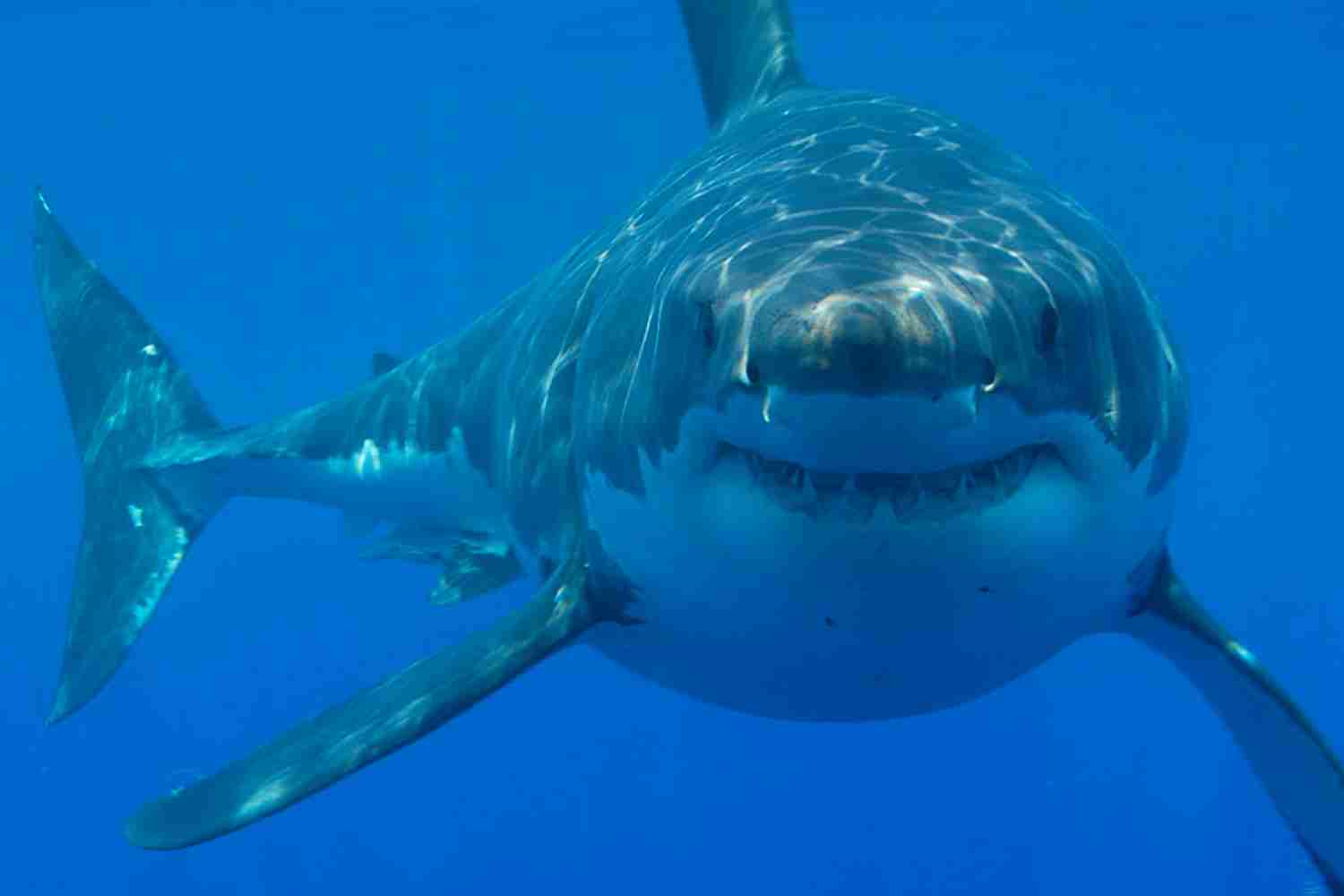
A 68-year-old American tourist’s dream diving trip in Indonesia ended in tragedy when she fell victim to a vicious shark attack.
Story Summary:
- A US tourist, Colleen Monfore, was killed in a shark attack while diving in Indonesia after being swept out to sea by strong currents.
- Her remains were discovered inside a shark caught by a fisherman in East Timor, leading to an ongoing investigation.
- Indonesia, while a popular diving destination, has several shark hotspots, and divers are advised to exercise caution due to both strong currents and marine predators.
Shark attack Indonesia: Here’s everything we know
According to reports, Colleen Monfore, from Michigan, was swept away by strong currents while diving around Pulau Reong island on Thursday, 26 September 2024.
Days later, her remains were found inside the stomach of a shark caught by a fisherman in East Timor.
The grim discovery was made when the fisherman, noticing the shark’s abnormal condition, cut it open to find Monfore’s body, still in a black wetsuit.
Authorities are now investigating the circumstances of the attack, confirming that East Timor – also known as Timor-Leste – is outside Indonesian territory, though the incident is believed to be connected to her disappearance.
Shark attack hotspots in Indonesia
Indonesia is home to some of the world’s most breathtaking diving spots, but it’s also a region where shark encounters, though rare, can happen.
Pulau Reong, where Monfore was diving, is known for its rich marine life and unpredictable currents, which can make conditions dangerous for divers.
Sharks are often spotted in the waters of popular diving destinations, including:
- Komodo National Park: Famous for its beautiful coral reefs, the waters here attract various species of sharks, such as reef sharks, which are generally not aggressive but still warrant caution.
- Gili Islands: A hotspot for scuba diving, where divers frequently encounter blacktip and whitetip reef sharks. While these sharks are usually harmless, they should always be respected from a distance.
- Bali: Known for great diving spots like Padang Bai, divers can encounter the infamous Mola Mola, along with reef sharks. Nusa Dua has also seen its fair share of shark sightings.
Despite these hotspots, shark attacks in Indonesia remain rare.
Shark attack incidents are much more infrequent than many fear, and most encounters with these creatures are non-fatal.
However, strong currents, like the ones that tragically swept Monfore out to sea, are more dangerous and common.
Here are a few tips to reduce your risk during a dive:
- Avoid murky waters: Sharks are more likely to mistake humans for prey in low-visibility conditions.
- Stay calm if you see a shark: Panicked movements can attract sharks. Slow, deliberate motions are safer.
- Don’t dive alone: Always dive with a buddy, especially in areas where currents are strong, like around Pulau Reong.
- Stay informed: Always check with local guides or authorities about any recent shark sightings in the area before diving.
Shark attack statistics: How common are they?
According to the International Shark Attack File, most shark encounters with humans result in no harm.
In 2023, globally there were only 57 unprovoked shark attacks, with only 10 fatalities recorded worldwide.
Indonesia, with its large coastline and active diving spots, accounts for only a small fraction of these incidents.
