

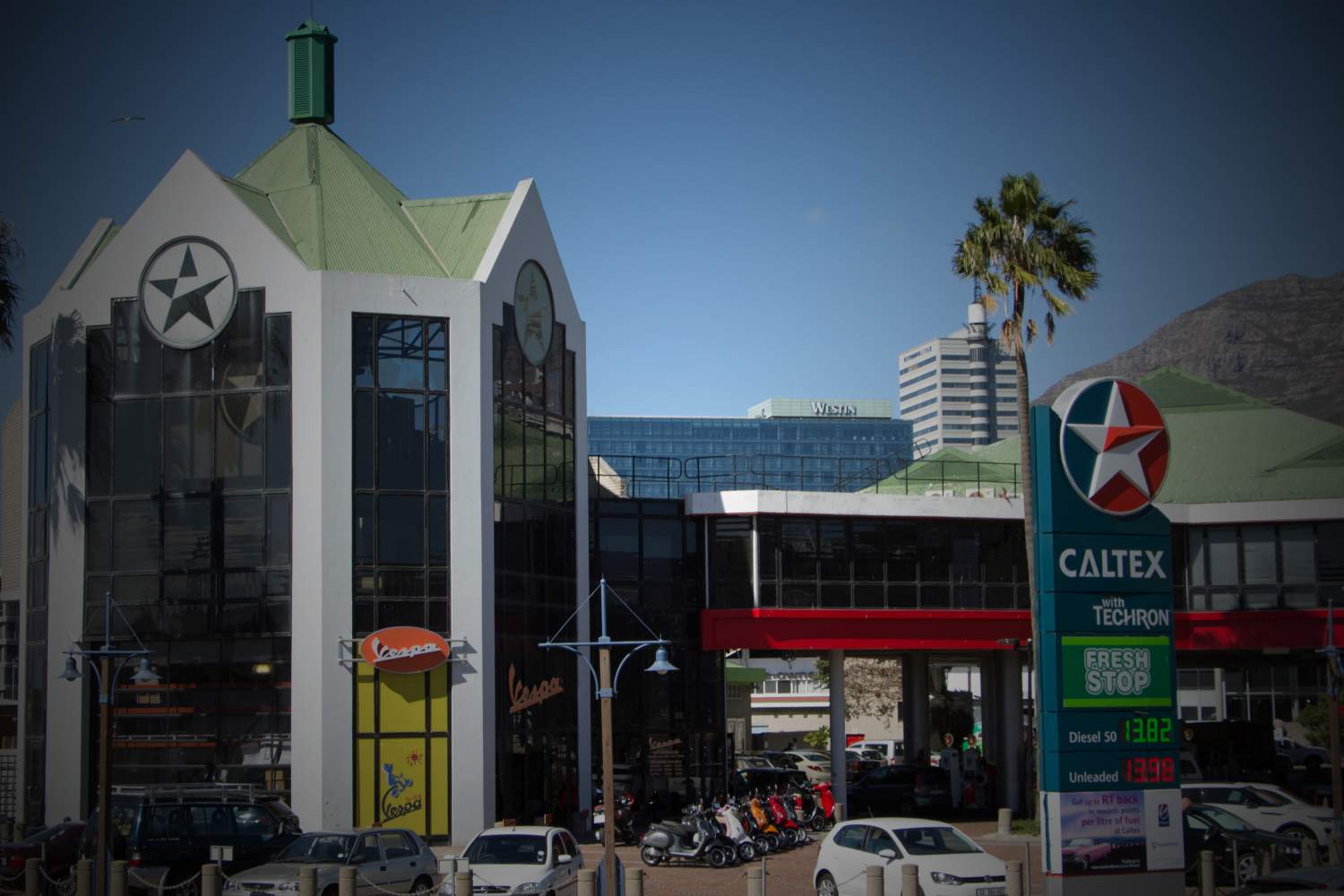
From Wednesday, 3 December 2025, motorists across South Africa will pay more for every major fuel type as new official prices take effect.
PLEASE NOTE: The petrol price adjustments listed below are directly quoted from the Department of Energy’s monthly press release. Despite our best efforts to ensure accurate reporting, it is still the sole responsibility of the reader to double-check petrol prices. Swisher Post, its parent company, partners and affiliates shall not be held liable for any consequence that arises from the journalistic duties performed in sharing this content.
Petrol prices in South Africa: Official adjustments from Wednesday, 3 December 2025
The Department of Mineral and Petroleum Resources has announced the following official fuel price changes, effective from Wednesday:
Inland:
| TYPE | PRICE (p/l) | CHANGE |
| Petrol 95 | R21.41 | +R0.29 |
| Petrol 93 | R21.26 | +R0.29 |
| Diesel 0.05%* | R21.14 | +R0.65 |
| Diesel 0.005%* | R20.02 | +R0.82 |
Coastal
| TYPE | PRICE (p/l) | CHANGE |
| Petrol 95 | R20.58 | +R0.29 |
| Petrol 93 | R20.43 | +R0.29 |
| Diesel 0.05%* | R19.15 | +R0.65 |
| Diesel 0.005%* | R19.26 | +R0.82 |
Diesel prices are recommendations based on monthly adjustments. The diesel retail price is not regulated. Therefore, the final price determination listed may not be represented at petrol stations.
Factors impacting fuel prices in December 2025
The official statement links the December 2025 fuel price changes to a mix of global market forces and local pricing rules.
1. Higher international product prices
The Central Energy Fund’s analysis shows that the average international prices of petrol, diesel and illuminating paraffin increased over the review period from 31 October 2025 to 27 November 2025.
To put this in basic language:
- South Africa imports crude oil and refined fuel, priced in US dollars.
- When these international product prices climb, it becomes more expensive to bring fuel into the country.
- That extra cost is passed through to the Basic Fuel Price (BFP), which is the core building block in the monthly fuel price calculation.
This rise in product prices is the main reason all fuel types are going up in December.
2. A slightly stronger rand helped, but not enough
During the same period, the rand actually strengthened a little against the US dollar.
The average exchange rate improved from R17.2930/$ in the previous period to R17.2343/$ in the latest period.
The stronger rand:
- Reduced the BFP by about 3.36 c/l on petrol, 3.79 c/l on diesel and 3.76 c/l on illuminating paraffin, compared with what it would have been at the weaker rate.
In everyday terms:
- Think of the rand as a discount or extra charge on every litre of fuel.
- This time, the rand moved in our favour and gave a small discount, but the global price increases were bigger than that discount, so the final effect is still a price hike.
3. Margin adjustments on petrol, diesel and paraffin
The Minister also approved changes to the margins that wholesalers and retailers earn, based on the Regulatory Accounts System. From 3 December 2025:
- Petrol gets a net margin increase of 3.6 c/l.
- Diesel and illuminating paraffin get a net margin increase of 5.48 c/l on wholesale prices.
These numbers sound small, but they are part of the official formula and add a few cents to the final prices.
4. LPGAS pricing structure changes
For LPGAS, the Minister approved a 70.0 c/kg adjustment in certain pricing elements of the maximum retail price structure.
However, when all elements (including transport) are combined, the net effect on the maximum retail price is an increase of 24 c/kg, or about R0.2/kg from 3 December 2025.
The final LPG price differs by zone (for example, coast versus inland) because transport costs and other local factors vary.
5. Slate levy stays at zero
The notice confirms that the slate levy on petrol and diesel remains at 0.00 c/l.
The slate levy is a tool government uses when there is a large unpaid balance in the system because previous under-recoveries have not yet been fully clawed back.
Keeping it at zero means:
- There is no extra charge added for this purpose in December.
- The increases motorists see now are mainly driven by international prices, the exchange rate and margin adjustments, not by slate corrections.
How this all fits together for the final price
The final prices you see at the pump are built from several layers:
- Basic Fuel Price (BFP) – based on international fuel prices and the rand/dollar exchange rate.
- Margins and logistics costs – wholesale margins, retail margins, storage and distribution costs, zone differentials, and other regulated components.
- Taxes and levies – including the fuel levy and RAF levy, which are fixed amounts per litre.
- Rounding and small technical adjustments – for example “pump rounding” to keep prices practical at the forecourt.
